
OPC Update: February 9, 2026
The City of Burlington selected Vermonters for Criminal Justice Reform (VCJR) as the City’s partner in implementing Vermont’s first overdose prevention center in Burlington. The contract between the City of Burlington and VCJR was executed on December 8, 2025. VCJR and the City have been engaged in significant effort toward overdose prevention center implementation both before and after that date, and we are pleased to update you on where our efforts stand today.
Phased Approach
VCJR plans to implement OPC overdose monitoring services within a broader continuum of services designed to promote individual and community health, wellbeing and recovery. The OPC will provide our community with a new multi-service health resource for those who are at highest risk for overdose death.
Establishment of a successful overdose prevention center in Burlington requires a phased approach. The first phase (the current phase) is designed to lay the groundwork for successful implementation of overdose monitoring services in the second phase. This initial phase is focused on capacity building, building community support, site acquisition, new staff hiring/training and implementation of all direct services except services related to overdose monitoring. Rapid implementation of all services except overdose monitoring services will allow the project to begin to improve the health and safety of the Burlington community as quickly as possible.
Organizational Capacity-Building Efforts, Staffing and Technical Assistance
In early January, VCJR’s former Director of Client Services, Jess Kirby, accepted the position of OPC Director. VCJR Executive Director Tom Dalton and Jess Kirby are leading the OPC implementation effort in close partnership with our colleagues at the City of Burlington and the Vermont Department of Health. Tom and Jess have earned trust and credibility in Burlington among people who are likely to use OPC services in our community and other stakeholders through responsible, consistent and effective provision of services to our population of focus for many years. VCJR has engaged two consultants for additional implementation support. VCJR is currently in the process of hiring an Operations Manager for the OPC, and plans to hire additional OPC staff starting in the late spring. VCJR has contracted with Project Weber/Renew, which operates Rhode Island’s OPC, for OPC-related technical assistance and training, and has been meeting bi-weekly with Project Weber/Renew since July, 2025.
Community Engagement
VCJR and the City of Burlington have been working with the Pacific Institute for Research and Evaluation (PIRE) to conduct in-depth surveys and interviews with individuals with lived/living experience with substance use; social service providers, medical providers, first responders and other key stakeholders; and members of the public. To date, over 1,500 community members have provided input through our community survey and about 50 people with living experience have provided their perspectives through face-to-face survey interviews.
VCJR, in partnership with the City of Burlington, hosted a citywide virtual community education and engagement event featuring a panel of national and local experts, including the Royce Professor of Teaching Excellence in Epidemiology at Brown University School of Public Health Dr. Brandon Marshall, Project Weber/Renew OPC Director Ashley Perry, the City of Burlington’s OPC Implementation Specialist Theresa Vezina, and VCJR OPC Director Jess Kirby. Over 150 people participated in the live event or have viewed the event recording, to date.
Representatives from VCJR and the City of Burlington have presented at each of Burlington’s eight wards at least once so far, and in some cases more than once. Neighborhood residents from all eight wards have asked questions, shared feedback and often expressed support for the OPC project.
Community engagement will remain a priority throughout the OPC implementation process and there will be many more opportunities for public involvement.
Site Acquisition
VCJR is currently working on OPC implementation activities out of our existing location in downtown Burlington. We very much need separate office space to accommodate new staff, implement Phase One activities and position ourselves for successful implementation of Phase Two overdose monitoring services. VCJR is actively working with a local realtor to identify and evaluate potential locations for OPC Phase One implementation within the City of Burlington. Each potential site is being assessed based on multiple criteria, including cost, neighborhood impact, accessibility, and potential for possible Phase Two implementation of overdose monitoring services.
Consistent with Vermont law, the Vermont OPC Operating Guidelines and the OPC Proposal unanimously approved by the Burlington Mayor and City Council, and accepted by the Vermont Department of Health, implementation of overdose monitoring services at the Phase One implementation site will be contingent on successful provision of Phase One (non-monitoring) services to the population of focus at the site, success in building neighborhood support, consistency with the Service Assessment and the data collected by PIRE, and approval of the Burlington City Council.
Local support for the OPC remains strong both among policy leaders and among the people of Burlington. Burlington Mayor Emma Mulvaney-Stanak has been a consistent leader in support of OPC implementation, and the Burlington City Council has voted unanimously time and again to move the project forward.
Why an OPC in Burlington?
Burlington is losing people to overdose and these tragic losses are preventable. The burden of the drug crisis is felt most acutely by those who are at highest risk for overdose. The burden also extends to families, EMS, hospitals and those who share public spaces with people who are visibly struggling in public, often because they are unhoused.
Burlington’s OPC will provide a supervised space where trained staff implement structured public health interventions proven to save lives, facilitate treatment and recovery, reduce the burden on emergency responders, and reduce public drug use and disorder. The OPC will operate with trained staff, strict operating protocols, City and State government oversight and transparent outcome metrics routinely shared with our government partners and the public.
Thank you for your support!

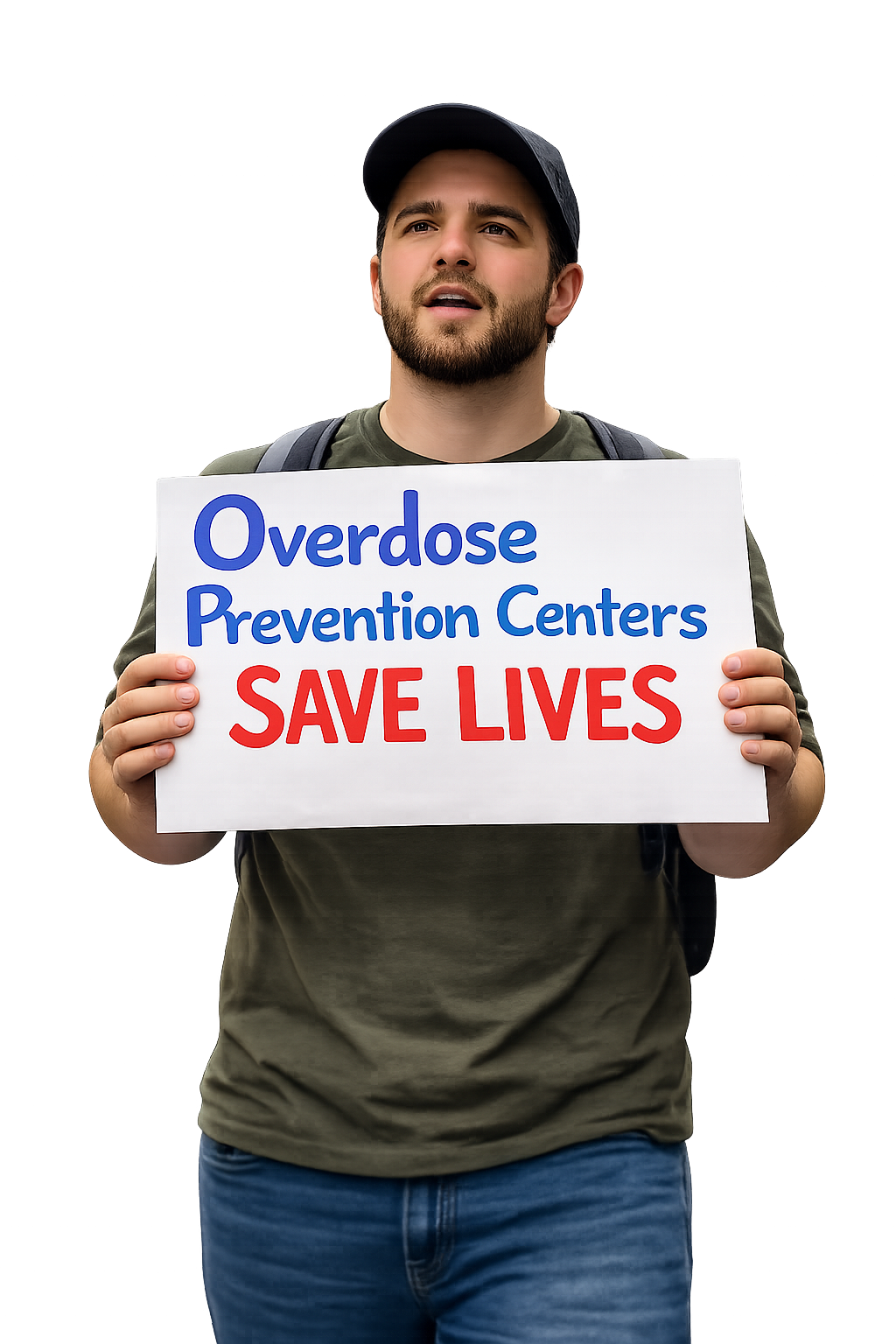
“To date, over 1,500 community members have provided input through our community survey and about 50 people with living experience have provided their perspectives through face-to-face survey interviews. ”
“Burlington is losing people to overdose and these tragic losses are preventable. ”
“Burlington’s OPC will provide a supervised space where trained staff implement structured public health interventions proven to save lives, facilitate treatment and recovery, reduce the burden on emergency responders, and reduce public drug use and disorder. The OPC will operate with trained staff, strict operating protocols, City and State government oversight and transparent outcome metrics routinely shared with our government partners and the public.”
VCJR Syringe Services Program
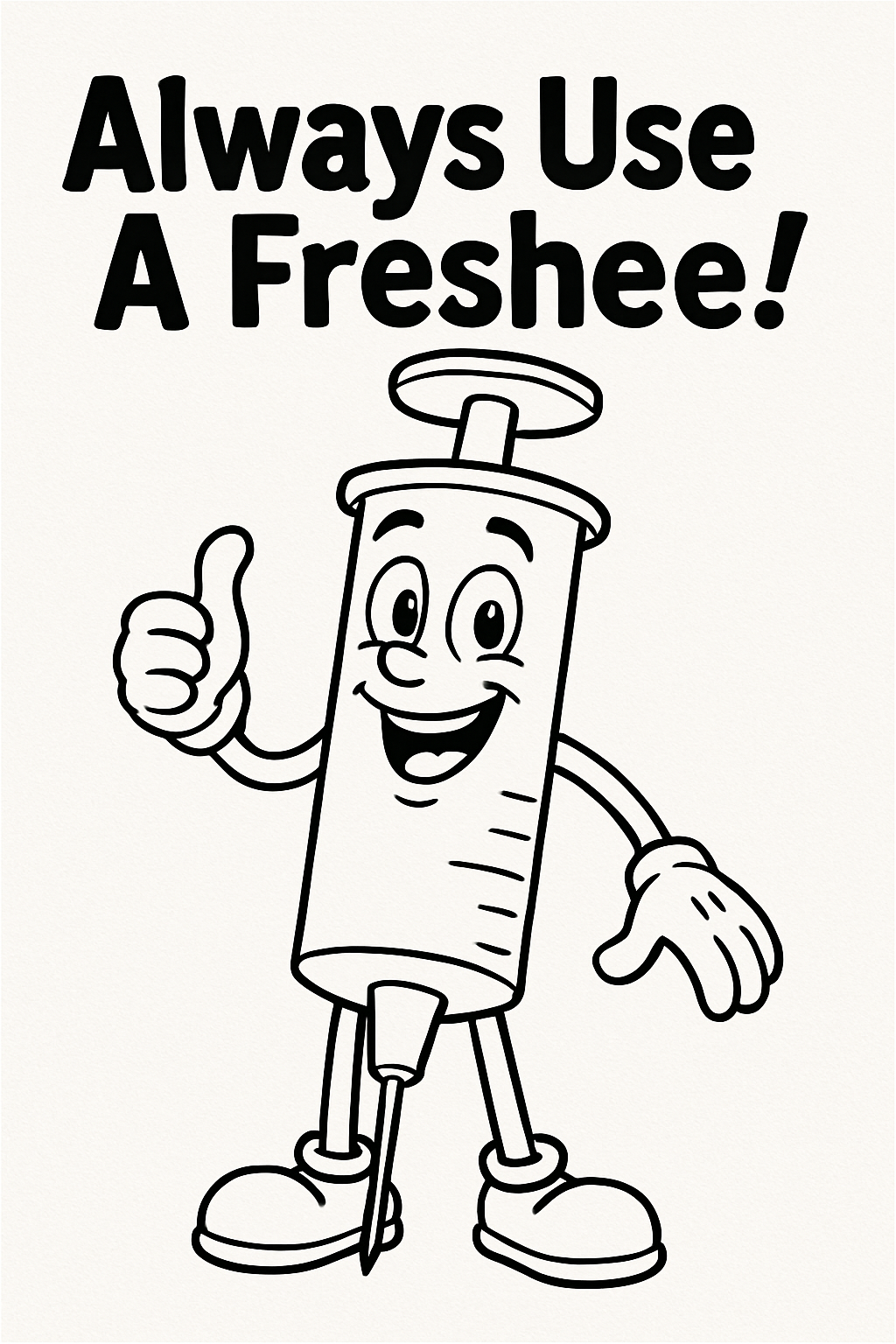
VCJR’s Syringe Services Program (SSP) provides low-barrier, nonjudgmental harm reduction services designed to protect health, prevent overdose, and reduce the transmission of HIV, hepatitis C, and other infections. Through our program, participants can access sterile syringes and safer use supplies, safe disposal options, naloxone and overdose prevention education, wound care and basic health support, and referrals to medical care, treatment, housing, and other community services. Our approach is practical, respectful, and client-centered: we meet people where they are, support safer choices, and help connect participants to the care and resources they want on their own terms.
SSP services are available Monday - Friday 9am-5pm (closed noon to 1pm)
109 Bank Street in downtown Burlington (corner of Bank Street and Pine Street)


Please join us!
VCJR is working every day to improve the health and safety of justice-involved people, their children and families, and our communities
To do this, we provide direct supportive services to justice-involved individuals AND we work toward systemic change at the community, state and federal levels
VCJR takes advantage of the important synergy between policy advocacy, direct support services, academic research, leadership development among people with lived experience and public engagement to
help make change happen!

Re-entry & Recovery Center
Our re-entry and recovery center provides specialized services and supports designed by and for justice-involved people living with substance use disorders
Only 13% of prison staff say we are adequately preparing people for success upon release from incarceration
Risk of fatal overdose goes up over 1,000% during the weeks following release from incarceration
Incarcerated poeple listed improving re-entry support as their number one need
-

Safely Reduce Incarceration
Unnecessary incarceration hurts incarcerated people as well as their children, families and communities —and makes us all less safe.
-

Save Taxpayer Dollars
Vermont spends $75,000 per prison inmate per year but only $25,000 per school student. We can’t afford unnecessary incarceration.
-

Reinvest in Communities
Investing in people over prisons reduces crime and makes us all safer. We don’t have to keep warehousing poor people and disabled people in prisons.
-

Keep Families Together
We can interrupt multi-generational cycles of poverty and trauma by preventing the unnecessary incarceration of mothers and fathers.

Overdose Prevention
Overdose deaths have increased sharply in Vermont and justice-involved people are at highest risk
VCJR services designed to reduce overdose risk include:
re-entry services (support during the especially dangerous weeks following release from incarceration)
case management
professional and peer-based recovery supports
Narcan (naloxone) distribution
distribution of fentanyl and xylazine test strips
overdose education and skills building
contingency management —an evidence-based behavioral health intervention designed to reduce overdose risk

Policy Reform
Key areas of policy reform include:
reducing unnecessary incarceration
preventing the forced separation of children and parents caused by the unnecessary incarceration of mothers and fathers
drug policy reform
limiting the use of extreme sentences like life without the possibility of parole
creating “second look” mechanisms to re-evaluate circumstances relating to public safety, rehabilitation and justice after an individual has served a long period of incarceration
Key Policy Initiatives
-
MOUD in Correctional Facilities
Over half of people incarcerated in Vermont are living with opioid use disorder, and access to medications for opioid use disorder (MOUD) while incarcerated supports recovery and saves lives.
-
Justice-Involved Parents
Thousands of Vermont children experience the traumatic effects of having an incarcerated parent —most often a father.
-
Sober Housing Reform
Vermont is in a housing crisis and justice-involved people and people living with substance use disorders are disproportionately homeless. We need sober houses to support people who struggle —not kick them out to unsafe settings in violation of Vermont landlord-tenant laws.
-
Buprenorphine Policy Project
Vermont is experiencing an opioid disaster and many people are dying. There is a medication that cuts mortality in half or more BUT, under the current model, less than half of those who need the medication actually get it.

Art for Change
VCJR’s traveling art exhibit featuring works by currently and formerly incarcerated artists was first exhibited at the Vermont State House
The exhibit tours art galleries, colleges and festivals to help raise awareness about the creativity, talent, depth and humanity in us all
View Artwork >

Speaking from Experience
VCJR values the leadership of people with lived experience
Over half of our board and staff have lived experience with the justice system (incarceration or the incarceration of a family member)
VCJR helps people with lived experience share their stories through media interviews and by testifying before the Vermont legislature
VCJR surveys people who are recently released from incarceration about their experiences, needs and priorities for change
What People Are Saying About VCJR
“They care so much about the people they work with and helping them individually but also work harder than anyone I know on fixing it on the big picture too.”
— VCJR Program Participant
“VCJR’s specialized recovery center stands to fill an enormous gap in our recovery network and in so doing, save lives.”
— TJ Donovan
Vermont Attorney General (former)
“Making sure justice-involved people have what they need to succeed benefits all of us.”
